Breed-Specific Critical Diseases
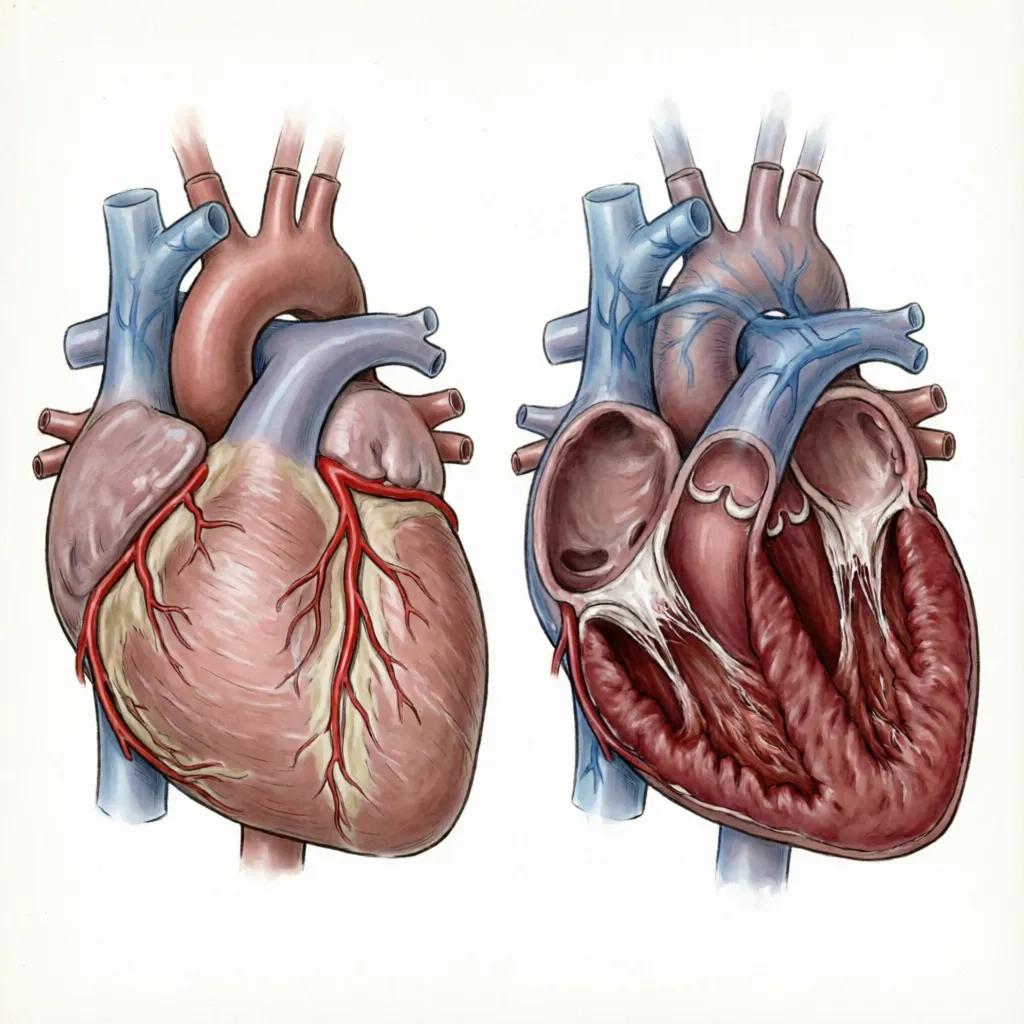
HCM - Hypertrophic Cardiomyopathy
Maine Coons are HIGH RISK. The heart muscle becomes thickened. Symptoms: rapid breathing, hind leg paralysis, lethargy. Annual echocardiogram is essential starting at 1 year old.
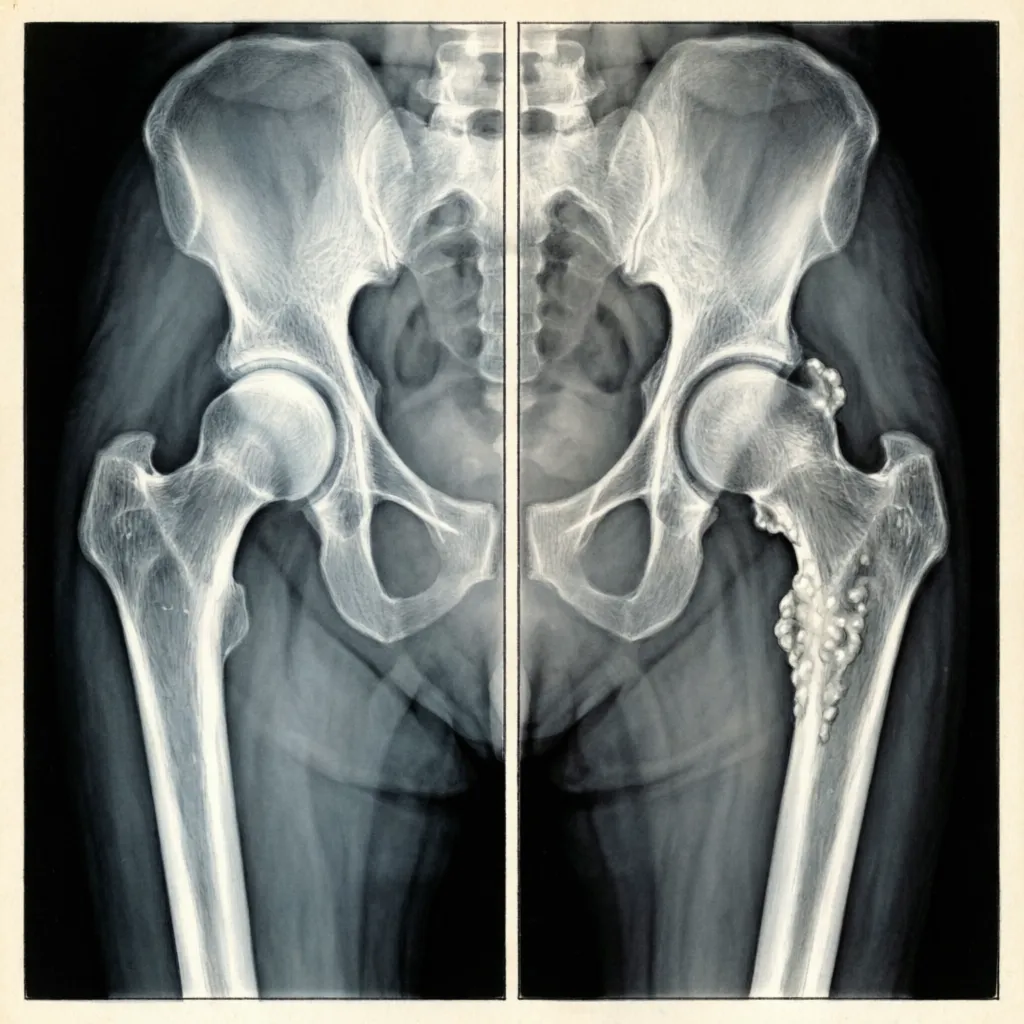
Hip Dysplasia
MODERATE-HIGH risk due to large size. Symptoms: reluctance to jump, stiff gait. X-ray at 1 year old recommended. Weight control is crucial.
Emergency Knowledge
Acute Breathing Difficulty
Signs: open-mouth breathing, blue gums. This is a medical emergency - possible acute heart failure. Go to vet immediately.
Sudden Hind Leg Paralysis
Signs: dragging hind legs, cold paws, vocalizing in pain. Likely a blood clot. Time is critical - must see vet within 2 hours.
HCM: Hypertrophic Cardiomyopathy Deep Dive
HCM is the most common heart disease in Maine Coons. Early detection is crucial for management.
What Happens
The heart muscle thickens abnormally, making it harder for the heart to pump blood efficiently. Can lead to heart failure or blood clots.
Genetic Factor
HCM has a hereditary component in Maine Coons. Always ask breeders for parent heart screening results before purchasing.
Stages
- Mild: No symptoms, just thickening
- Moderate: Slight symptoms
- Severe: Heart failure risk
Signs to Watch For
Early Signs
- Labored breathing
- Increased respiratory rate
- Reluctance to exercise
- Sleeping more than usual
Warning Signs
- Rapid breathing at rest
- Open-mouth breathing
- Coughing or gagging
- Fainting episodes
Emergency Signs
- Blue/purple gums
- Dragging hind legs
- Extreme lethargy
- Vocalizing in distress
Hip Dysplasia: Managing Large Frame Issues
Due to their large size, Maine Coons are predisposed to hip problems. Here's how to manage it:
| Severity | Symptoms | Management |
|---|
| Mild | Slight stiffness after rest | Weight control, supplements |
| Moderate | Reluctance to jump, bunny hopping | Joint meds, physical therapy |
| Severe | Limping, difficulty walking | Surgery may be required |
Supportive Care
Weight Control
Every extra pound puts 3x more stress on hip joints. Keep at ideal weight - this is the #1 management strategy.
Ramp Access
Provide ramps to beds/sofas instead of jumping. Reduces joint stress significantly.
Orthopedic Beds
Memory foam beds support joints and reduce pressure points during sleep.
Joint Supplements
Start glucosamine/chondroitin early. Fish oil reduces inflammation. Consult vet for proper dosage.
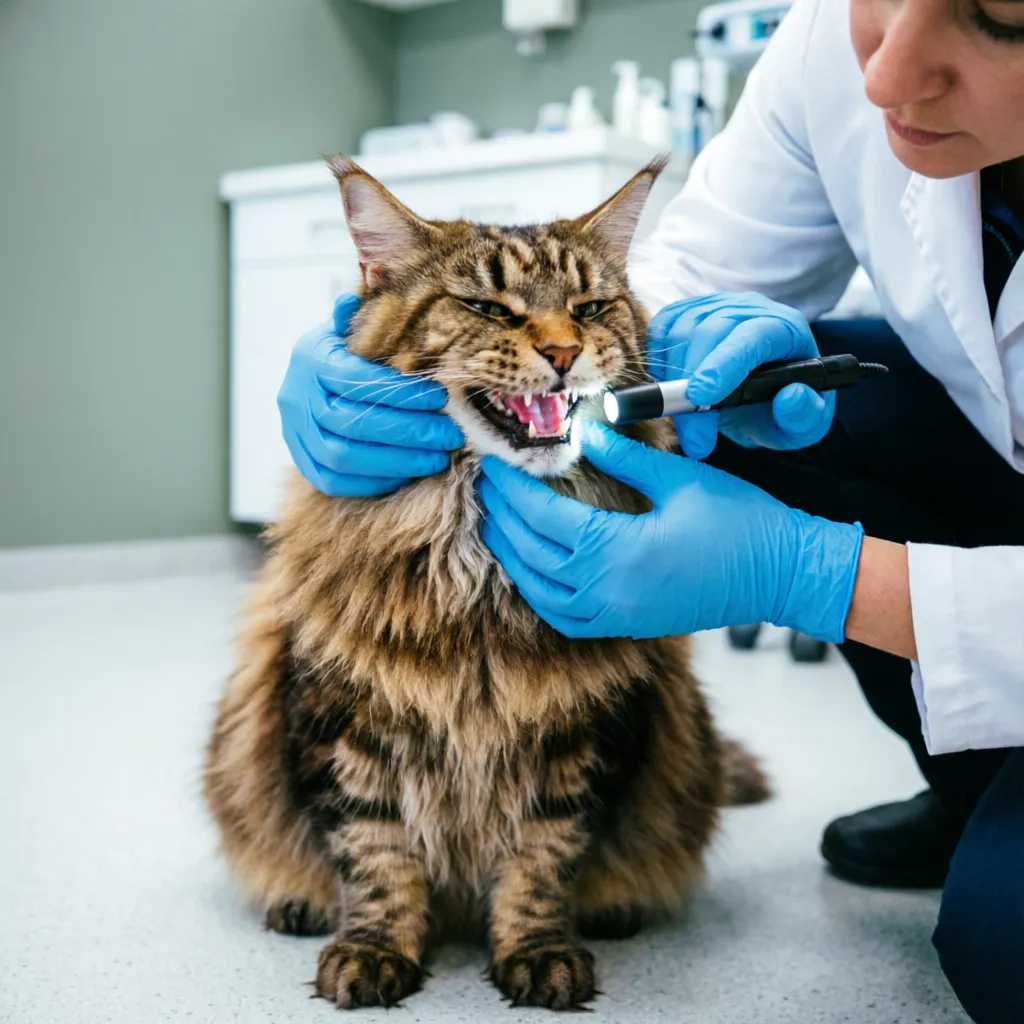
Dental Health: The Overlooked Problem
80% of cats over age 3 have dental disease. Maine Coons are no exception.
Common Issues
- Gingivitis (gum inflammation)
- Periodontitis (bone loss)
- Tooth resorption
- Oral ulcers
Signs of Dental Problems
- Bad breath
- Drooling
- Dropping food
- Pawing at mouth
- Red or bleeding gums
Prevention
- Daily tooth brushing
- Dental treats/toys
- Annual dental exams
- Professional cleaning when needed
How to Brush Your Maine Coon's Teeth
Never Use Human Toothpaste!
Use only cat-specific enzymatic toothpaste. Human toothpaste contains fluoride and xylitol which are toxic to cats.
Start slow: Let cat taste toothpaste first. Use finger brush initially. Focus on outer surfaces where plaque builds. Aim for daily brushing, but even 3x weekly helps.
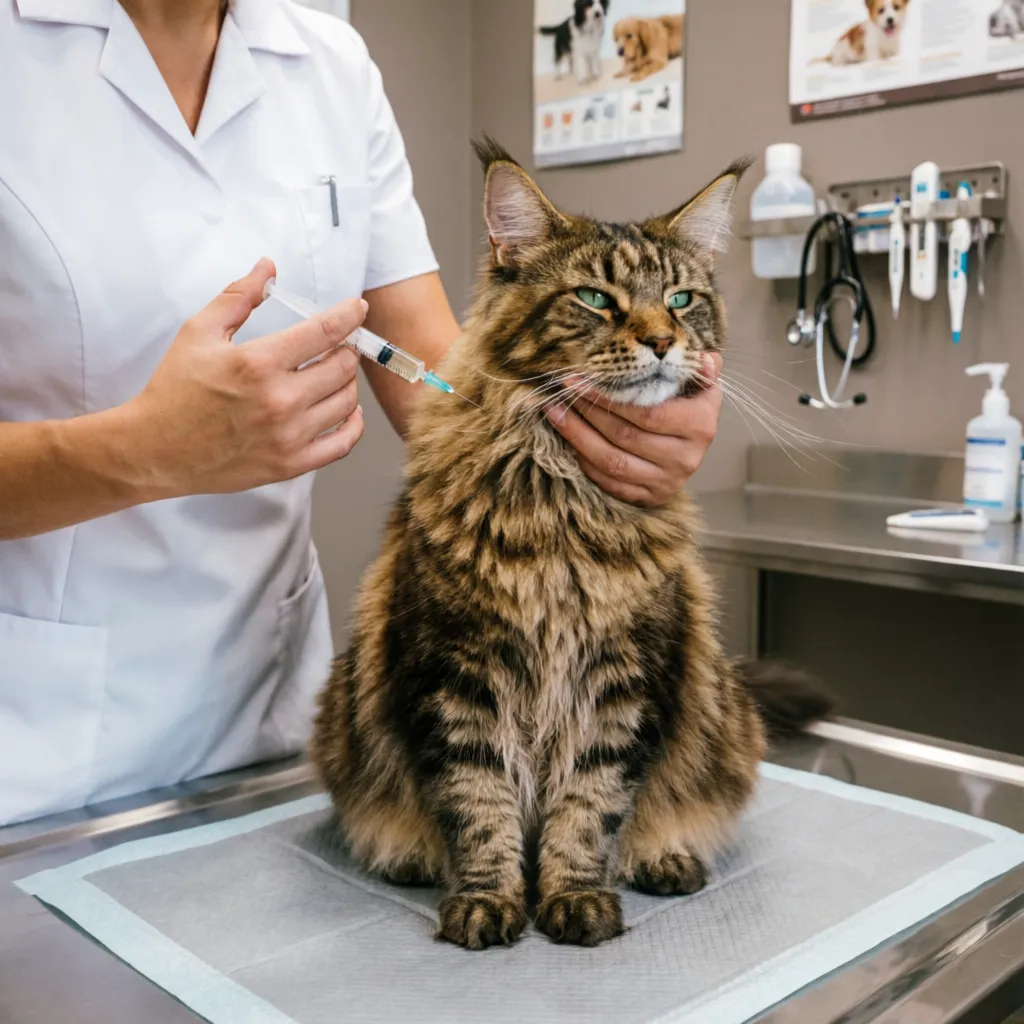
Vaccination Schedule: Complete Guide
| Vaccine | First Dose | Booster | Notes |
|---|
| FVRCP (Core) | 6-8 weeks | Every 3 years | Panleukopenia, calici, herpes |
| Rabies | 12-16 weeks | Every 1-3 years | Required by law in most areas |
| FeLV (Outdoor) | 8-9 weeks | Annual | Recommended for all kittens |
| FIV | 8 weeks+ | Annual | Discuss with your vet |
Not All Vaccines Yearly
Core vaccines (FVRCP, Rabies) last 1-3 years depending on type. Over-vaccination can cause adverse reactions. Work with your vet on appropriate schedule.
Senior Cat Care: 7 Years and Beyond
Maine Coons are considered seniors around age 7-8. Extra care is needed:
Health Monitoring
- Vet visits every 6 months
- Blood work annually
- Kidney function checks
- Thyroid testing
Common Age Issues
- Arthritis (very common)
- Kidney disease
- Hyperthyroidism
- Cognitive decline
- Vision/hearing loss
Care Adjustments
- Lower-calorie senior food
- Easy-access litter boxes
- Ramps instead of stairs
- More frequent grooming
- Orthopedic bedding
Weekly Health Check: DIY Guide
Catch problems early with these weekly checks:
| Check Point | What to Look For | Red Flags |
|---|
| Weight | Weigh monthly, track changes | Loss/gain over 10% |
| Coat | Shiny, full, no bald patches | Dull, excessive shedding |
| Eyes | Clear, bright, no discharge | Cloudiness, squinting |
| Ears | Clean, no odor | Dark discharge, redness |
| Teeth | Pink gums, white teeth | Red gums, bad breath |
| Body | Feel for lumps | New lumps or bumps |
FAQ: Common Health Questions
Heart & HCM
Q: How is HCM diagnosed?
A: Through an echocardiogram (ultrasound of the heart) performed by a veterinary cardiologist. X-rays and blood tests alone cannot diagnose HCM. Starting at age 1, annual cardiac screening is recommended.
Q: Can HCM be treated?
A: There's no cure, but medication can manage symptoms and slow progression. Common medications include beta-blockers and blood thinners. Early intervention is crucial.
Q: If my Maine Coon has HCM, can they still live normally?
A: Many cats with mild-moderate HCM live normal lives with medication and monitoring. Severe cases require more intensive management. Work closely with your vet and cardiologist.
Q: Should I breed a cat with HCM?
A: Absolutely not. HCM is hereditary. Cats diagnosed with HCM should be neutered/spayed and never used for breeding.
Joint & Hip Problems
Q: At what age do hip problems appear?
A: Some cats show symptoms as early as 1-2 years. Others don't show issues until 5-7 years. X-rays at 1 year can detect early problems.
Q: Is hip dysplasia surgery an option?
A: Yes, for severe cases. The FHO (femoral head ostectomy) or total hip replacement can significantly improve quality of life. Discuss with your vet.
Q: What joint supplements work best?
A: Glucosamine, chondroitin, MSM, and omega-3s are most researched. Look for products specifically for cats. Consistency matters - supplements take 4-6 weeks to show effects.
Daily Care
Q: How often should I brush my Maine Coon?
A: Ideally daily, but minimum 2-3 times weekly. Their long fur mats easily, especially behind ears and under legs. Regular brushing reduces hairballs and bonding time.
Q: How do I trim nails safely?
A: Use cat-specific nail clippers. Only trim the sharp tip - avoid the pink quick (blood vessel). If unsure, have a vet or groomer demonstrate first. Start handling paws young.
Q: My Maine Coon hates baths. Any tips?
A: Most Maine Coons don't need frequent baths unless medically necessary. Brush instead. If bathing required, use lukewarm water, cat shampoo, and keep sessions under 5 minutes.
Vaccines & Prevention
Q: Are indoor cats really need vaccines?
A: Yes, core vaccines (FVRCP and Rabies) are recommended even for indoor cats. Rabies is required by law in most places. Indoor cats can still be exposed through open windows or accidental escape.
Q: My cat had a reaction to vaccines. What now?
A>Some cats have mild reactions (lethargy, soreness). Severe reactions (vomiting, swelling, difficulty breathing) are emergencies. Discuss with your vet about splitting vaccines or using different brands.
Q: How often should fecal tests be done?
A: Kittens: every 3-4 months during first year. Adults: 1-2 times yearly, especially if they go outdoors or have exposure to other animals.
Emergency Situations
Q: My cat ate something toxic. What do I do?
A: Don't induce vomiting unless directed by a vet. Call your vet or pet poison hotline immediately. Note what was eaten, amount, and time. Bring packaging if available.
Q: When is bleeding an emergency?
A: Seek immediate vet care for: bleeding that won't stop after 5 minutes, deep wounds, blood in urine/stool/vomit, any bleeding in mouth or nose that persists.
Q: My cat is breathing strangely. Is it serious?
A: Yes, any breathing changes in cats are serious. Open-mouth breathing, rapid breathing at rest, wheezing, or gasping require immediate vet attention. Cats should breathe through their nose normally.
General Health
Q: How do I know if my Maine Coon is in pain?
A: Cats hide pain well. Signs include: hiding more, decreased activity, reluctance to jump/climb, changes in appetite, unusual aggression when touched, excessive grooming of one area.
Q: How often should senior cats see the vet?
A: Every 6 months for seniors (7+ years). Regular blood work, dental checks, and physical exams catch problems early. Don't wait for symptoms to appear.
Q: Should I get pet insurance?
A: Strongly recommended. Maine Coons are prone to genetic conditions (HCM, hip issues) that can cost thousands to treat. Insurance started young is cheaper and covers pre-existing conditions if you continue.
Q: My Maine Coon is sneezing. Is it allergies or illness?
A>Occasional sneezing is normal. Frequent sneezing, discharge (especially colored), lethargy, or loss of appetite may indicate infection or illness. Monitor and see vet if symptoms persist over 2 days.
Q: How can I prevent hairballs?
A: Regular brushing is #1. Hairball remedies (lubricants) help pass hair through digestive tract. High-fiber diets can help. If hairballs are frequent (weekly+), consult vet.
Q: What are signs my cat needs to see a vet immediately?
A: Emergency signs: difficulty breathing, bleeding that won't stop, collapse/unresponsive, severe vomiting/diarrhea, not eating for 24+ hours, straining to urinate, signs of pain (hiding, crying).