The Maine Coon Personality
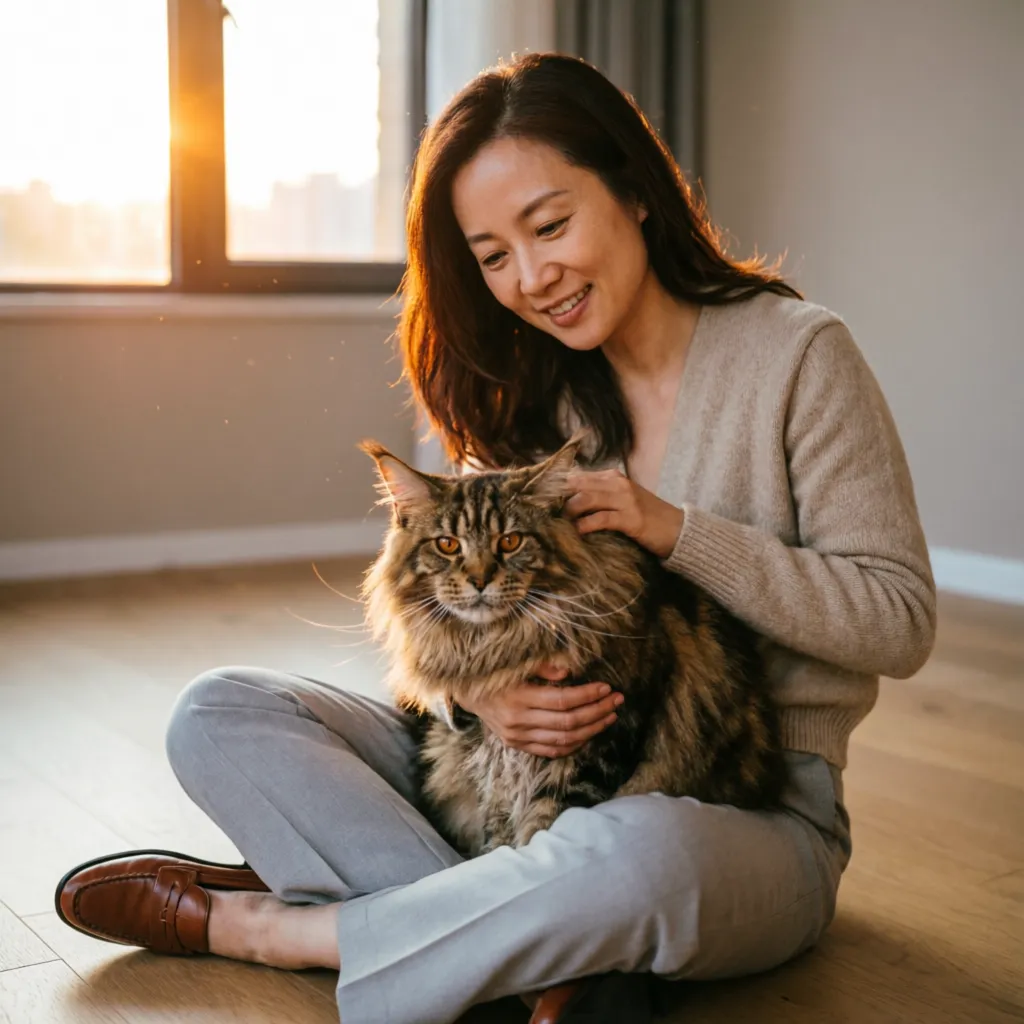
Maine Coons are famously known as the "dogs of the cat world." Their personality is unlike any other breed:
Dog-Like Affection
- Follows you from room to room
- Greets you at the door
- Loyal and devoted companion
High Intelligence
- Can learn commands and tricks
- Problem-solving abilities
- May learn to open doors
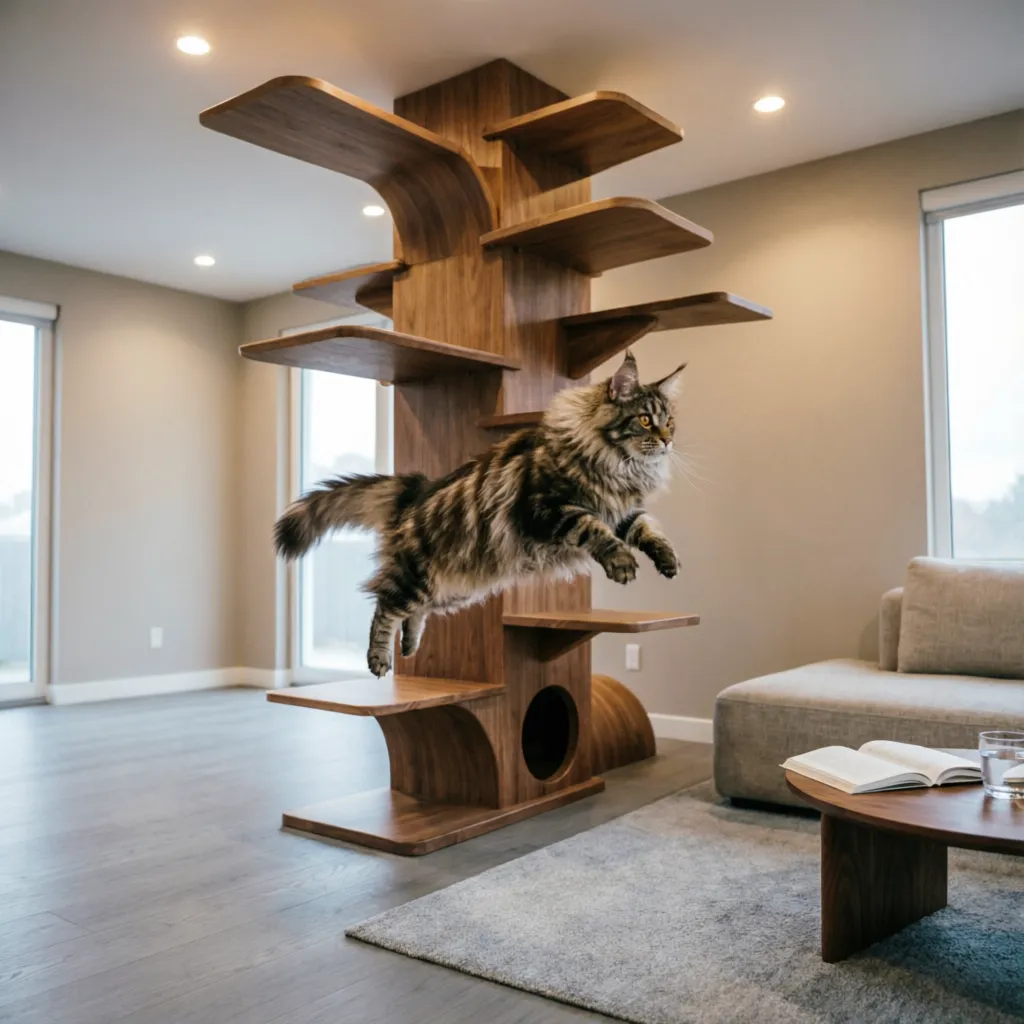
Athletic Prowess
- Large but incredibly agile
- Love of heights and jumping
- Extended playfulness
Slow Maturation
- May act like a kitten until age 3-5
- Extended juvenile playfulness
- Mentally young longer
Separation Anxiety
Warning: Large Cat = Large Destruction
A regular cat with separation anxiety might scratch the sofa. A Maine Coon with separation anxiety might push over bookshelves, tear down curtains. This breed needs proper alone-time training.
Solutions
No Big Goodbyes
Leave and return calmly. No special rituals that signal departure.
Scent Comfort
Leave worn t-shirts or blankets with your scent.
Environment Enrichment
Puzzle feeders, window perches, bird feeders outside windows.
Consider Two Cats
Two cats together often keep each other company.
Environment Enrichment: Size Matters
Maine Coons are LARGE. Standard cat furniture is often too small:
| Item | Standard Cat | Maine Coon |
|---|
| Cat Tree Height | 100-120cm | 150-180cm+ |
| Platform Width | 25-30cm | 35-45cm+ |
| Weight Capacity | 5-8kg | 15kg+ |
| Litter Box | 50cm | 60-70cm+ |
Body Language: Reading Your Maine Coon
Maine Coons communicate constantly through body language. Learn to understand your gentle giant:
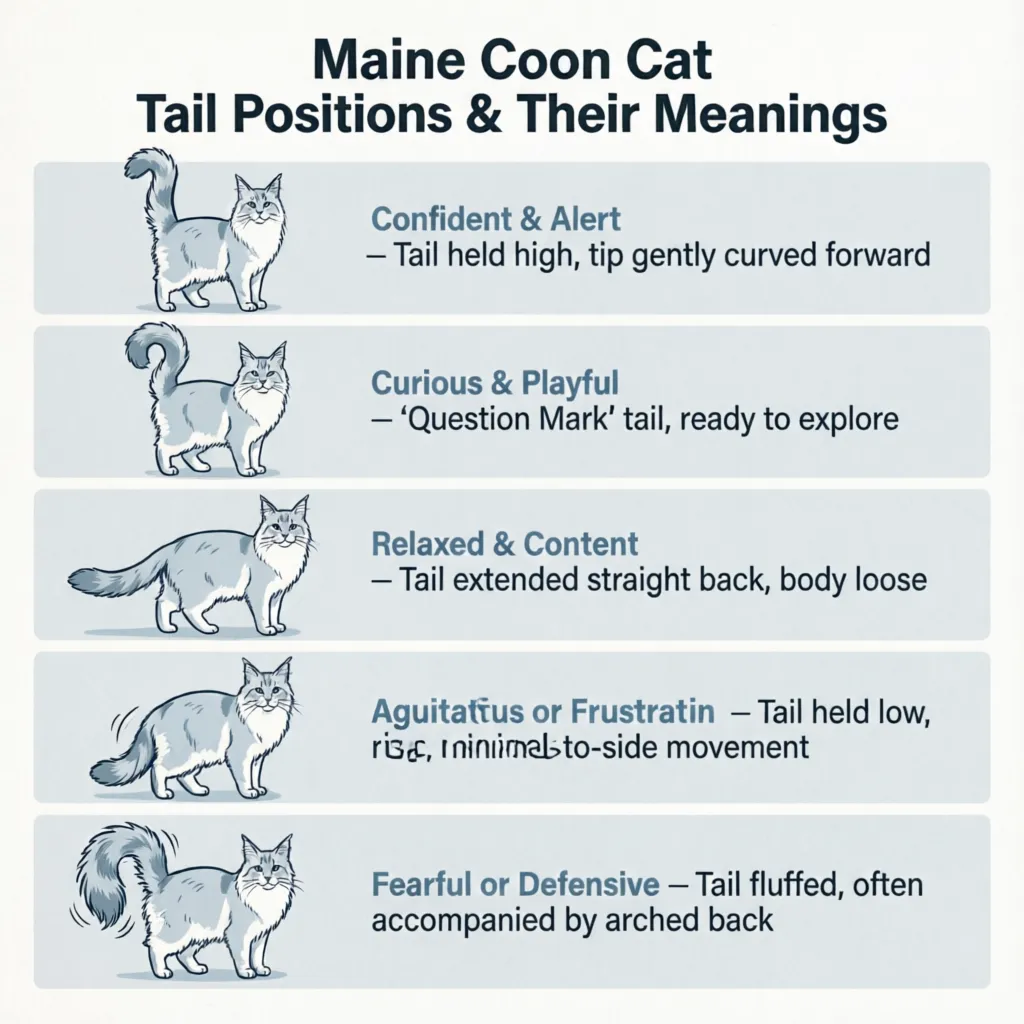
Tail Positions
- Upright, curved tip = Happy greeting
- Puffed up = Frightened/angry
- Low and tucked = Anxious/submissive
- Swishing rapidly = Excited or agitated
- Slow swaying = Focused, hunting mode
Ear Positions
- Forward = Alert, interested
- Flat sideways = Anxious, overstimulated
- Turned back = Angry, ready to scratch
- Rotating = Listening to multiple sounds
Eye Signals
- Slow blink = Trust and affection
- Dilated pupils = Excited, playful, or scared
- Constricted pupils = Aggressive or content
- Direct stare = Challenge or threat
Vocalizations: What Are They Saying?
Maine Coons are known for their distinctive "chirping" and trilling sounds:
| Sound | Meaning | Response |
|---|
| Short meow | Greeting | Welcome them back |
| Long, drawn meow | Request/want something | Check food, water, litter |
| Chirping/chattering | Excited watching prey | Normal hunting behavior |
| Trill | Happy greeting | Positive acknowledgment |
| Hiss | Fear or warning | Give space |
| Yowl | Distress or mating call | Check for issues |
| Growl | Threat/warning | Do not approach |
| Caterwaul | Mating or serious distress | Consult vet if unusual |
Excessive Vocalization
If your usually quiet Maine Coon suddenly becomes very vocal, it could indicate pain, cognitive dysfunction (in seniors), or hyperthyroidism. Consult your vet.
Training Fundamentals: Positive Reinforcement
Maine Coons are highly intelligent and trainable. Use these principles:
Timing is Everything
Reward within 1-2 seconds of desired behavior. Use a clicker or verbal "yes" to mark the moment.
Keep Sessions Short
5-10 minutes maximum. End on a positive note. Maine Coons have attention spans of about 10-15 minutes.
One Command at a Time
Master one behavior before adding another. Build a foundation before advancing.
High-Value Rewards
Use treats they love. Freeze-dried chicken or small fish pieces work well. Reserve extra special rewards for difficult behaviors.
Basic Commands to Teach
Sit
Lure with treat above nose. As head goes up, bottom goes down. Click and reward the moment sitting.
Come
Start close. Say name + "come". Reward immediately. Gradually increase distance.
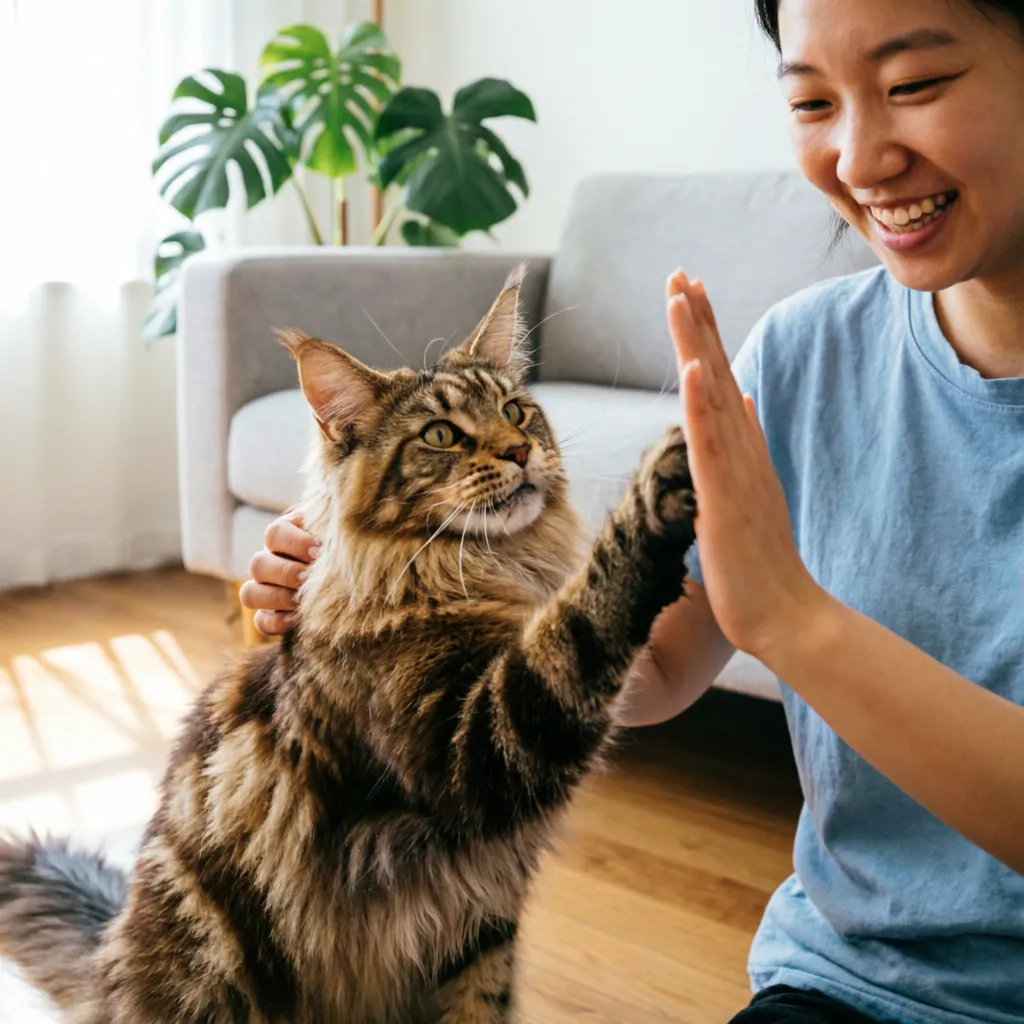
High Five
After sit, lure paw up. Click and reward. Add verbal cue once consistent.
Scratching: Natural and Necessary
Scratching marks territory and keeps claws healthy. The goal is to redirect, not stop:
Why They Scratch
- Mark territory (visual + scent)
- Stretch muscles
- Condition claws
- Release stress
Sisal Posts
Best material for most cats. Vertical posts 80cm+ tall. Mounted on stable base. Place near sleeping areas and room entrances.
Cardboard Scratchers
Flat or angled versions. Good for floors. Often disposable. Some cats prefer these over sisal.
Scratching Mat
Carpet textures work for some cats. Place on walls or floors. Helps redirect scratching away from furniture.
Never Declaw
Declawing is amputation of toe bones. It causes chronic pain, behavioral problems, and health issues. Many countries have banned it. Use scratching posts and nail caps instead.
Socialization: Introducing New Family Members
Introducing a New Cat
Week 1: Separation
Keep new cat in separate room. Swap bedding between cats. Feed on opposite sides of door. No visual contact yet.
Week 2: Visual Introduction
Use baby gate or cracked door. Feed meals during visual time. Keep sessions short (5-10 min). Watch body language.
Week 3-4: Controlled Meetings
Brief, supervised meetings. Have escape routes. End before negative behavior occurs. Reward calm behavior.
Ongoing: Full Integration
Gradually increase time together. Provide multiple resources. Never force interaction. Some cats take months to fully accept each other.
Introducing Dogs
Maine Coons can coexist with dogs, but proper introduction is crucial:
Pre-Introduction
Dog should know basic commands (sit, stay). Keep dog calm on leash initially. Allow cat to observe from high ground.
First Meeting
Dog on leash, controlled environment. Let cat approach on own terms. Reward both for calm behavior. Keep sessions brief.
Seasonal Behavior Changes
| Season | Behavior Changes | Care Adjustments |
|---|
| Spring | Increased energy, shedding heavily | Daily brushing, more play |
| Summer | Lethargy in heat, seek cool spots | Cool mats, shade, hydration |
| Fall | Coat thickening, increased appetite | Adjust portions, grooming |
| Winter | More cuddly, less active | Interactive toys, puzzle feeders |
Molting/Shedding Seasons
Maine Coons "blow coat" twice yearly (spring and fall). Expect 2-3 weeks of heavy shedding. Brush daily during these times. Consider a deshedding tool in addition to regular brush.
Stress and Anxiety: Recognition and Relief
Signs of Stress
- Excessive grooming (bald patches)
- Hiding more than usual
- Changes in appetite
- Inappropriate elimination
- Aggression or irritability
Common Triggers
- Environmental changes
- New pets or people
- Loud noises
- Litter box issues
- Boredom/lack of stimulation
Calming Techniques
- Consistent daily routine
- Safe hiding spots
- Calming pheromones (Feliway)
- Quiet, predictable environment
- gentle play sessions
Separation Anxiety
Maine Coons are prone to separation anxiety due to their dog-like attachment. Signs: excessive vocalization when alone, destructive behavior, inappropriate elimination. Start alone-time training young.
Play Time: Keeping Your Giant Engaged
Interactive Toys
- Feather wands
- Cat dancer toys
- Laser pointers (end with treat)
- Puzzle feeders
Toys for Solo Play
- Balls with bells
- Mouse toys
- Crinkle balls
- Automated moving toys
Play Guidelines
- 2 sessions of 15-20 min daily
- Rotate toys to maintain interest
- Hide toys when not in use
- Inspect for damage regularly
Avoid These Mistakes
Don't use hands as toys (teaches biting). Don't leave string toys unattended (choking hazard). Don't overstimulate before bed - end with calm play.
FAQ: Common Behavior Questions
Personality & Temperament
Q: Are Maine Coons really like dogs?
A: They share dog-like traits: loyalty, trainability, following you around, greeting at door. But every cat is individual. Some are more independent. Most enjoy interactive play like fetch.
Q: Will my Maine Coon be affectionate?
A: Generally yes, but "affectionate" varies. Many enjoy sitting nearby without being held. Some are lap cats. Others prefer to be in the same room rather than on you. All appreciate gentle petting on their terms.
Q: Are they good with children?
A: Yes, generally tolerant and patient. However, children must be taught to respect the cat (no tail pulling, no cornering). Always supervise interactions. Maine Coons are large enough to defend themselves if provoked.
Q: How long until my Maine Coon is fully mature?
A: Maine Coons are slow to mature. They may retain kitten-like behavior until 3-5 years. Some stay playful well into old age. Mental maturity comes later than physical.
Training & Commands
Q: Can I really teach my Maine Coon to come when called?
A: Yes! Start with treat rewards. Say name + "come" from short distances. Gradually increase distance. Use excited voice. Never punish for not coming.
Q: How do I stop my Maine Coon from scratching the sofa?
A: Never punish scratching - it's natural. Instead: provide appealing alternatives (sisal post near sofa), reward use of post, use double-sided tape on furniture temporarily, consider nail caps.
Q: Can Maine Coons be clicker trained?
A: Absolutely! They respond well to clicker training. The clicker precisely marks desired behavior. Many Maine Coons enjoy the mental stimulation of training sessions.
Q: Why does my cat ignore me when I call?
A: Cats aren't being stubborn - they may not associate the sound with a reward. Use high-value treats during training. Call + treat repeatedly. Eventually they'll come to expect rewards.
Social Behavior
Q: Will my Maine Coon get along with my other cat?
A: Depends on both cats' personalities. Proper introduction over 2-4 weeks helps. Maine Coons are generally adaptable. Some thrive with companions; others prefer to be solo cats.
Q: Can Maine Coons live with dogs?
A: Yes, with proper introduction. Best if raised together or introduced young. Dogs must be cat-friendly. Maine Coons may boss dogs around due to their large size.
Q: My Maine Coon attacks my ankles. Why?
A: This is "play aggression" - mistaking moving feet for prey. Redirect with toys. Keep nails trimmed. Never physically punish - it increases aggression. Provide more play sessions.
Q: Are Maine Coons territorial?
A: Moderate territorial nature. They mark territory with scratching and scent. Changes to environment can trigger territorial behavior. Routine and stability help.
Vocalization
Q: Why does my Maine Coon chirp at birds?
A: The "chirp" or "chatter" is excitement mixed with frustration (prey is unreachable). It's normal hunting behavior. Some cats do this at windows watching birds.
Q: My Maine Coon yowls at night. Is this normal?
A: Night vocalization can be normal but excessive yowling may indicate cognitive dysfunction (seniors), pain, or attention-seeking. Rule out medical issues with vet first.
Q: Why does my cat trill instead of meow?
A: The trill is a friendly greeting - your cat is saying hello in their preferred way. It's a positive vocalization indicating contentment. Respond warmly!
Environment & Enrichment
Q: What's the best cat tree for Maine Coons?
A: Look for: height 150cm+, platform width 40cm+, weight capacity 15kg+, stable base (no wobble). Ceiling-mounted trees work well for space efficiency. Place near windows.
Q: How many toys do Maine Coons need?
A: Quality over quantity. Have 5-10 toys available, rotate weekly. Include variety: wand toys, puzzle feeders, crinkle balls, catnip toys. Interactive play is more valuable than solo toys.
Q: My cat loves boxes. Why?
A: Boxes provide security, warmth, and ambush opportunities for hunting. An enclosed space makes cats feel safe. Always keep empty boxes available!
Q: Should I get a second cat to keep mine company?
A: It depends. Some Maine Coons love company; others prefer being solo. Consider your cat's personality, your time availability, and whether you can manage two large cats. Introducing a new cat takes effort.
Problem Behaviors
Q: My Maine Coon wakes me up at night. Help!
A: Schedule active play before bed (burn energy). Feed main meal at night. Ignore demands for attention. If they persist, close bedroom door. Cats can learn that night = sleep time.
Q: Why is my cat suddenly aggressive?
A: Sudden aggression often signals pain or illness. First step: vet visit to rule out medical causes. If clear, consider stress, redirected aggression, or overstimulation.
Q: My cat over-grooms. What's wrong?
A: Excessive licking causing bald patches is stress-related or medical. Vet visit first. Then address stressors, increase play, try calming pheromones.
Q: Why does my cat bite during petting?
A: This is "petting aggression" - cats sometimes become overstimulated. Watch for tail twitching, flattened ears, or tensing as warning signs. Stop petting before these signals. Keep sessions short.
Adaptation & Adjustment
Q: How long does adjustment to a new home take?
A: Generally 1-2 weeks for initial adjustment. Full personality may not emerge for 1-2 months. Be patient, maintain routine, provide hiding spots.
Q: My cat is hiding since we moved. Is this normal?
A: Very normal. Moving is stressful. Keep cat in one room initially with resources. Let them explore gradually. Maintain familiar routines. May take 1-4 weeks to relax.
Q: Will my Maine Coon remember me after being away?
A: Cats have long-term memory. Studies suggest 10+ years. Your cat will remember you! They may need time to readjust to your presence after long absences.
Q: Can Maine Coons recognize their names?
A: Yes, studies show cats can recognize their names (区别于其他名词). Use your cat's name consistently with positive outcomes. They may just choose not to respond!